
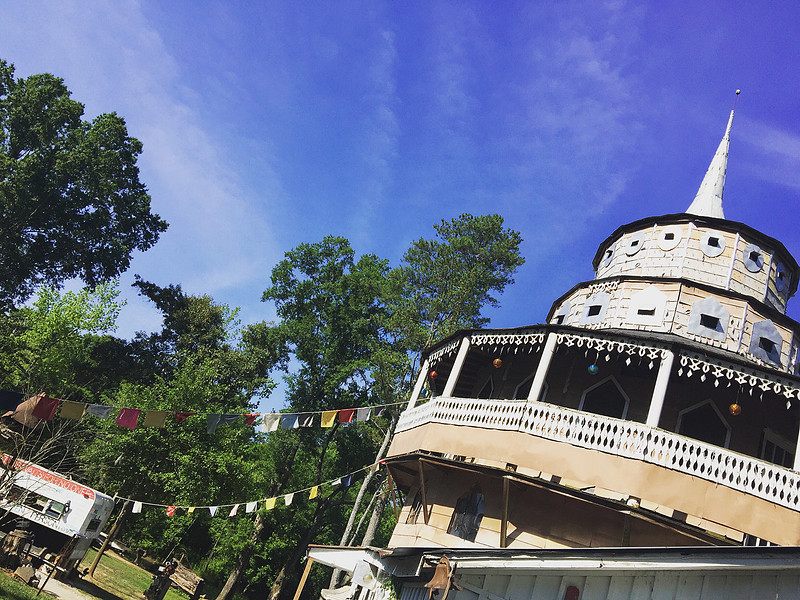
Reverend Howard Finster, a self proclaimed “Man of Visions”, Finster was one of America’s most widely known and prolific self-taught artists producing over 46,991 pieces of art before his death in 2001. He saw himself as a sacred artist, tirelessly recording his visionary prophesies and providing glimpses of a celestial outer space world that God revealed to him. These visionary journeys were very real for Finster, providing a limitless variety of images for his creative endeavors.
Born in rural Alabama in 1916, Finster went on to become a preacher, tent revivalist, and “master of 22 different trades” before building his roadside tribute to inventors the Plant Farm Museum. Later dubbed “Paradise Garden,” this rock and junk encrusted wonderland became the focus of Finster’s life work. In 1976, however, this focus shifted. As he was using his fingers to apply paint to a refurbished bicycle, Finster noticed that the paint smudge on the tip of his finger had formed a human face. A voice spoke to him, saying, “paint sacred art.” Finster began churning out thousands of sermon-laden artworks with subjects ranging from historical characters and popular culture icons like Elvis Presley to evangelistic fantasy landscapes and futuristic cities. Most works are meticulously coated in Finster’s own hand-lettered words and Biblical verse.
To spread his vision to a wider audience, Finster designed record album covers for rock groups such as R.E.M. and Talking Heads, later earning him Record Album Cover of the year by Rolling Stone Magazine. Interviews, films, and his famous appearance on The Tonight Show with Johnny Carson further advanced his evangelical message. Finster’s preaching experience and his showman-like personality helped to shape his public persona and ever-increasing celebrity. The industry that surrounded Finster’s name ended up defining his final years. Finster’s intentions remained true to his inner voice—to make sacred art. Well-known and often misunderstood, his position is suspended somewhere between awe for his tireless, faith driven creativity and his esteemed place in the pantheon of contemporary American art. He has been called both “the grandfather of Southern Folk Art” and “the Andy Warhol of the South.” - from the website
You can also spend the night here. I would love to do that on one of my anniversaries.
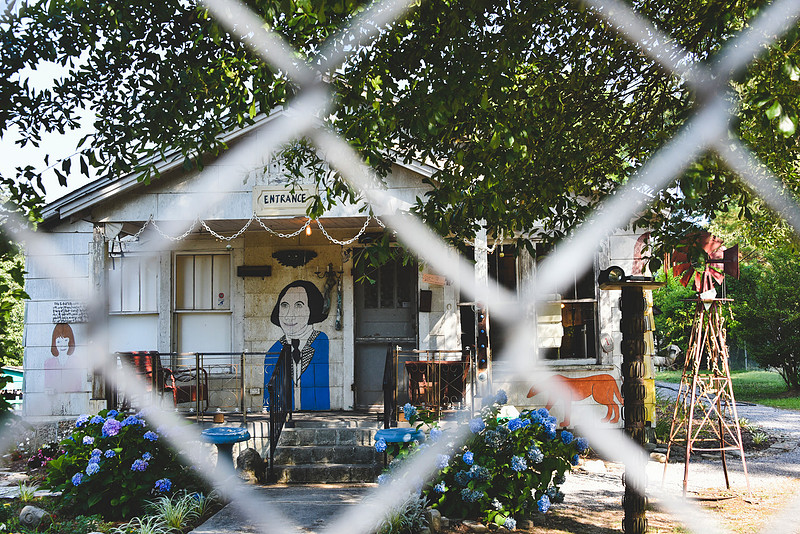

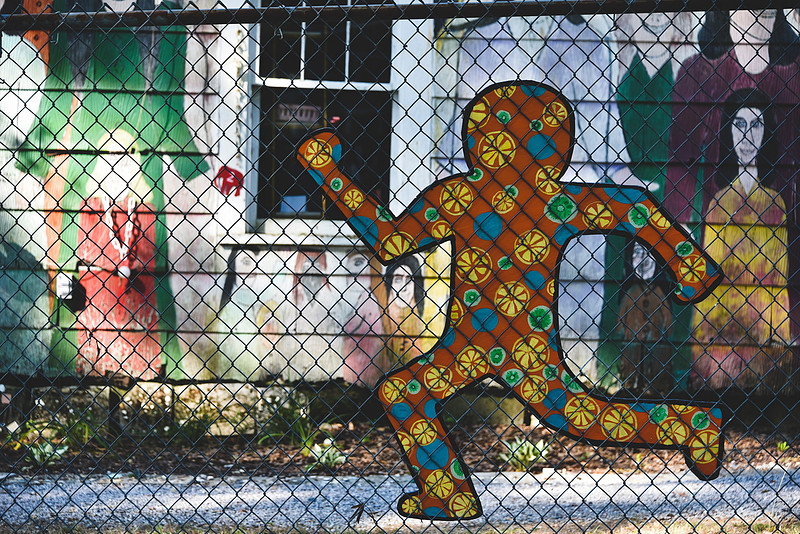
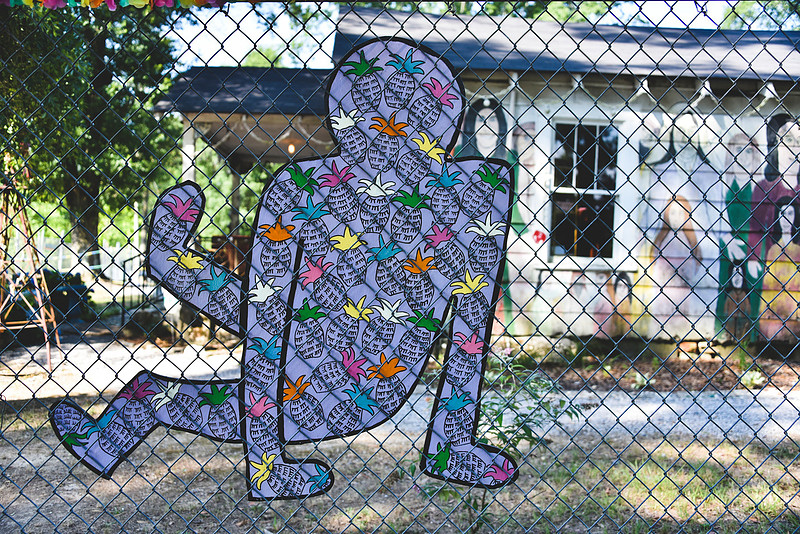

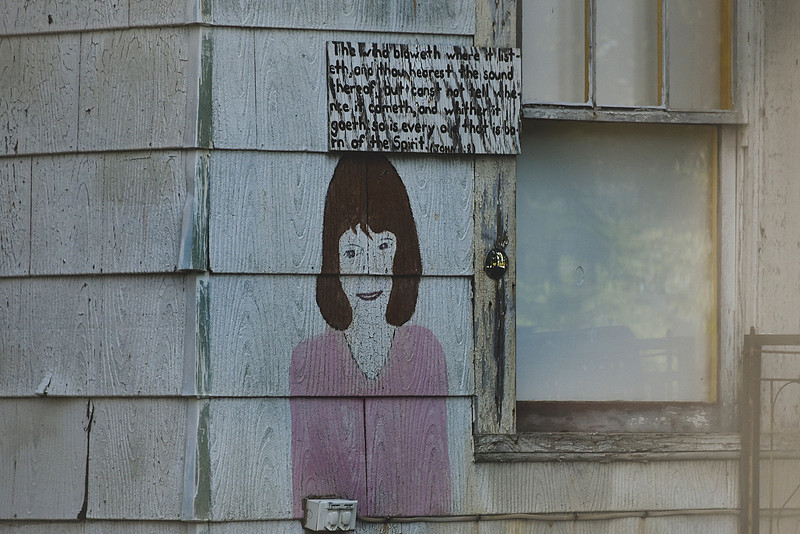
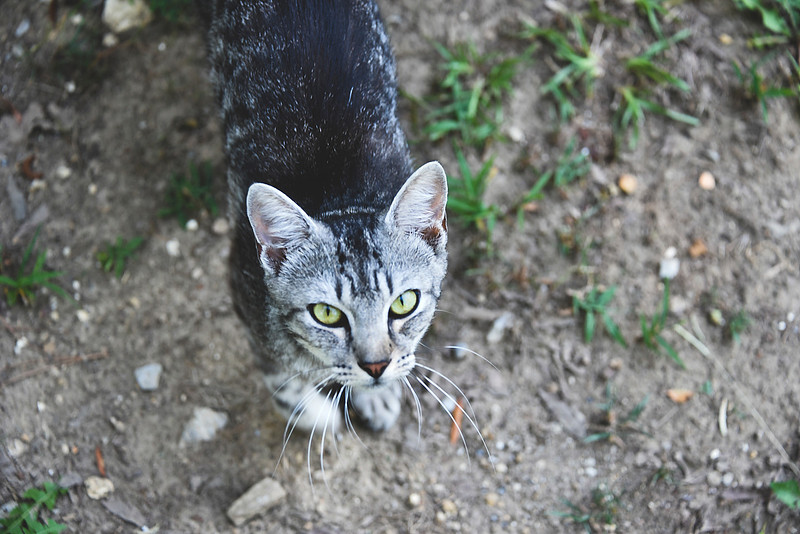
We only got to explore outside and around the property because it was closed when we came. It was still a very cool place. It is covered in cats.
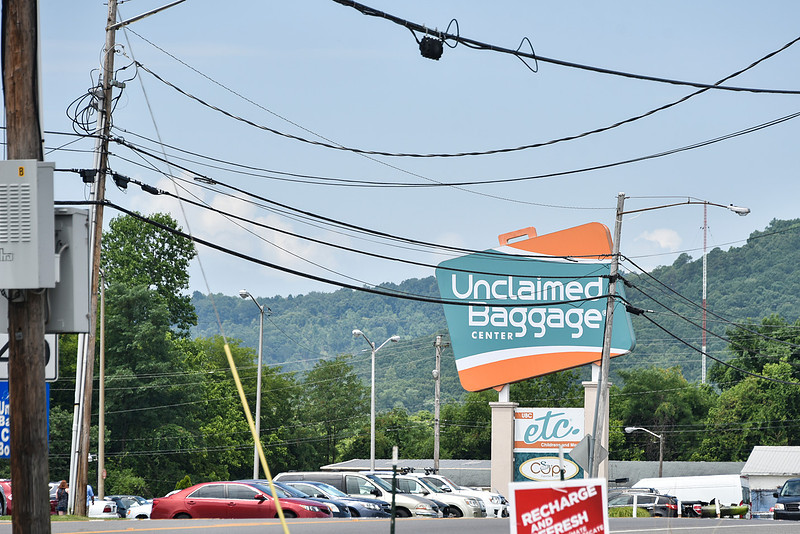
The next place we stopped at was Unclaimed Baggage center. I am always looking for interesting roadside attractions when we travel and this was literally right on the way to Space Camp. A few of us met up here to see what it was all about.
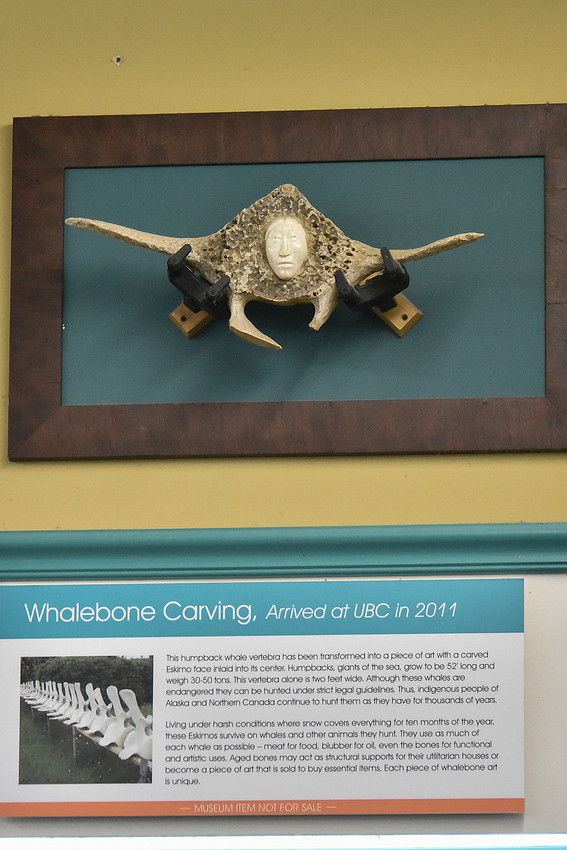
The best part of this place is on the walls. They consider this part museum to all of the strange things people have lost during travel.
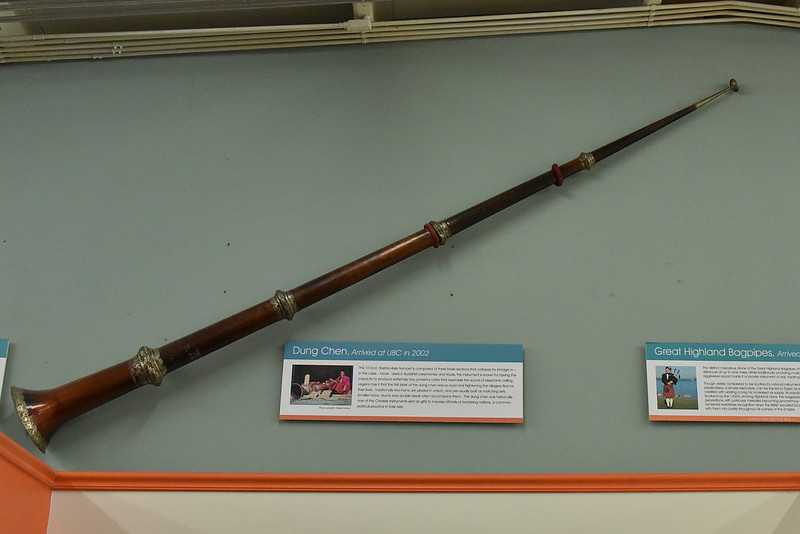
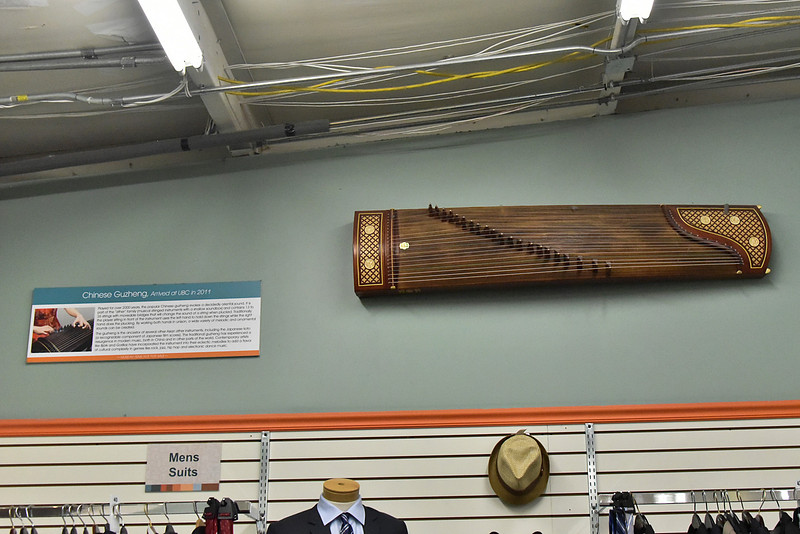
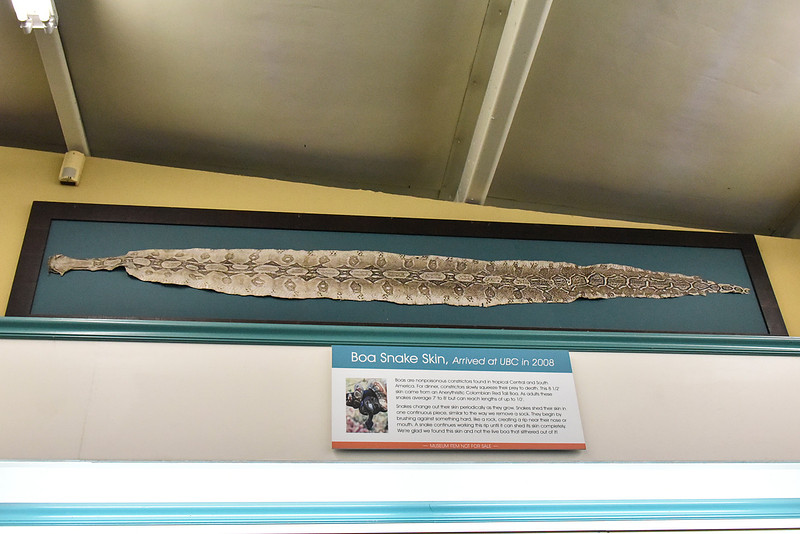
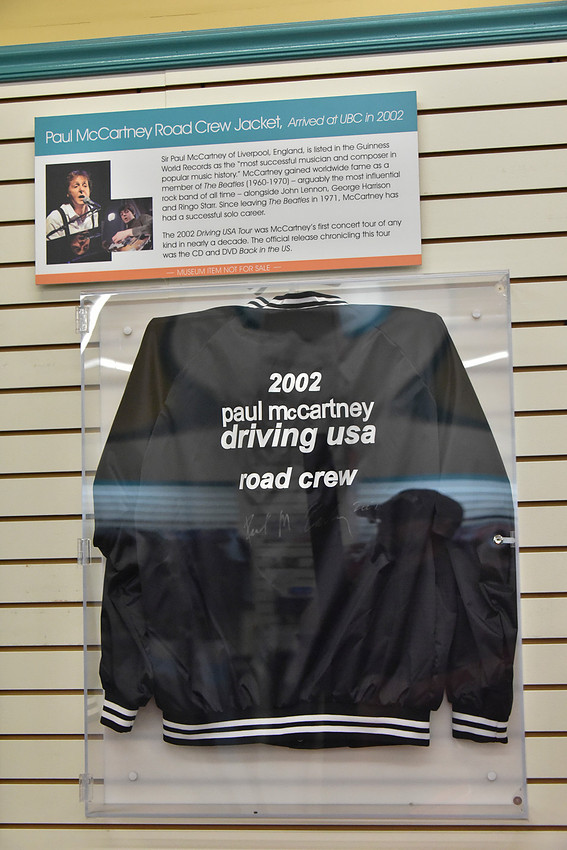
There was a whole other multi-level building we did not even see. It is basically a gigantic Goodwill without the smell and with much nicer stuff. If you like hats then you are in luck. It was fedora heaven. I bought a great banana republic hat for 6 bucks and some really bizarre socks (brand new) that looked like converse sneakers for 79 cents. It is a shoppers paradise. Personally I hate shopping but with all the weird stuff on the wall and the great hat selections it was clearly a win in my book.