Sacsayhuamán

July 09, 2026  •  Leave a Comment

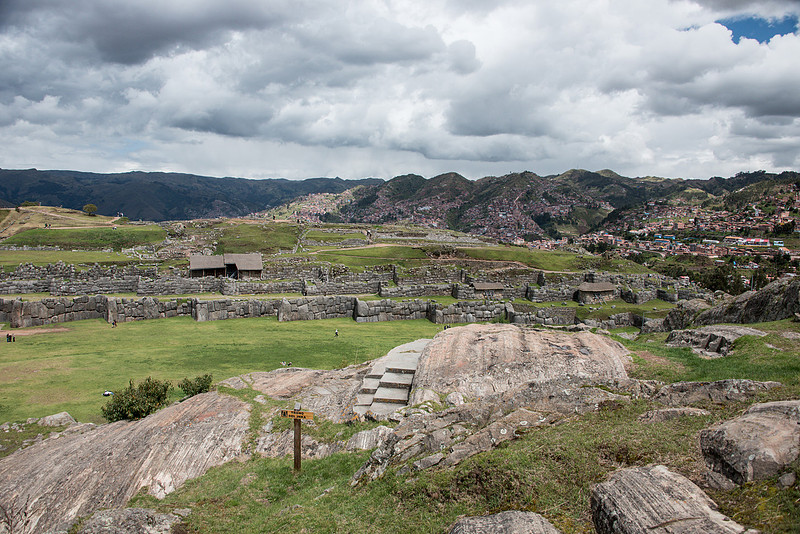
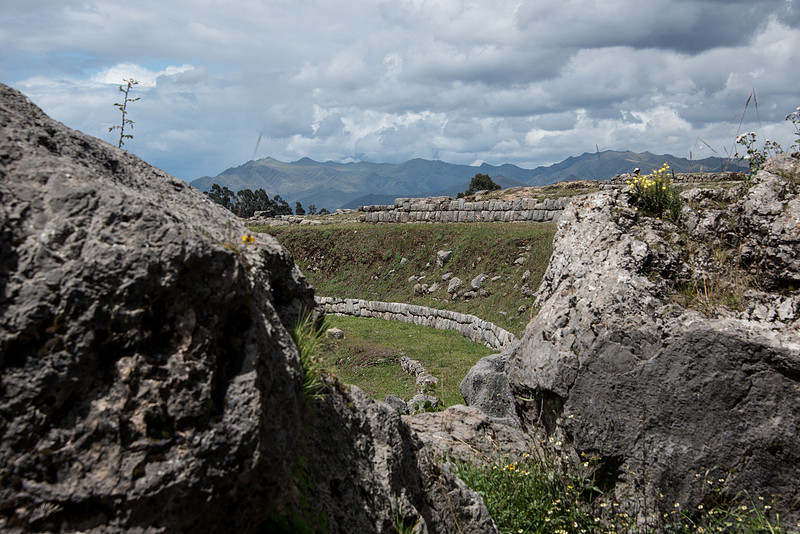
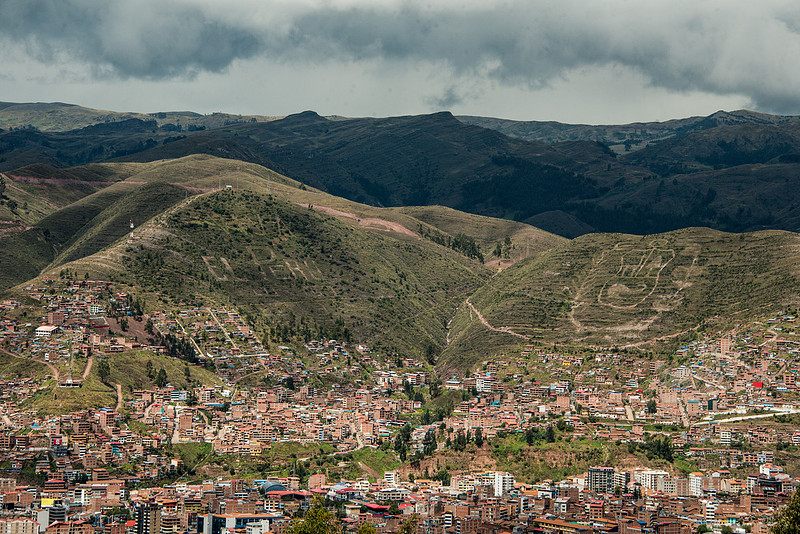
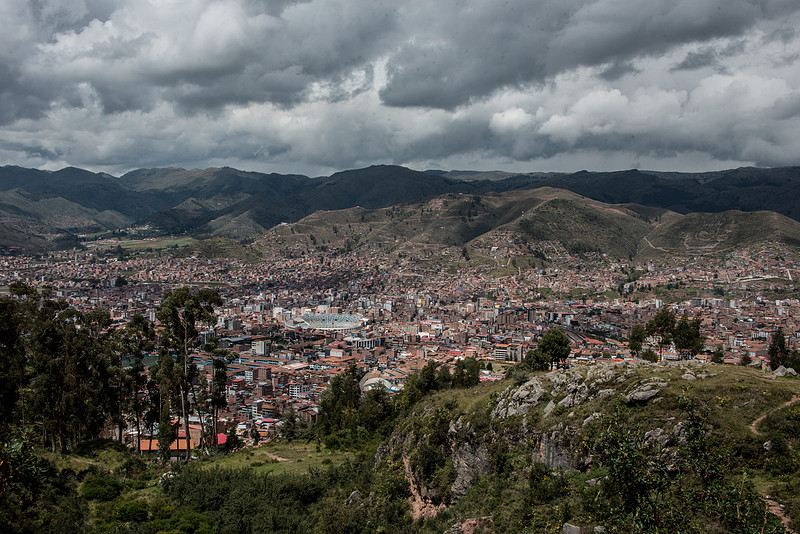
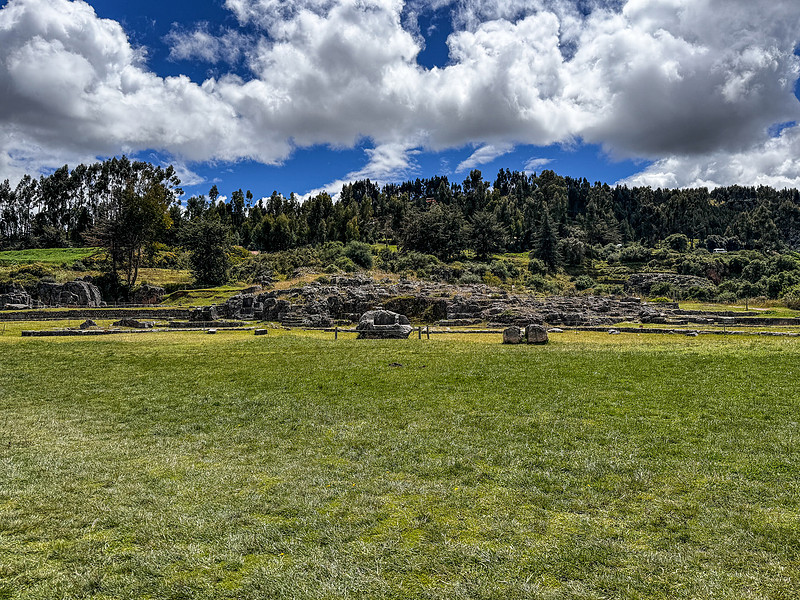
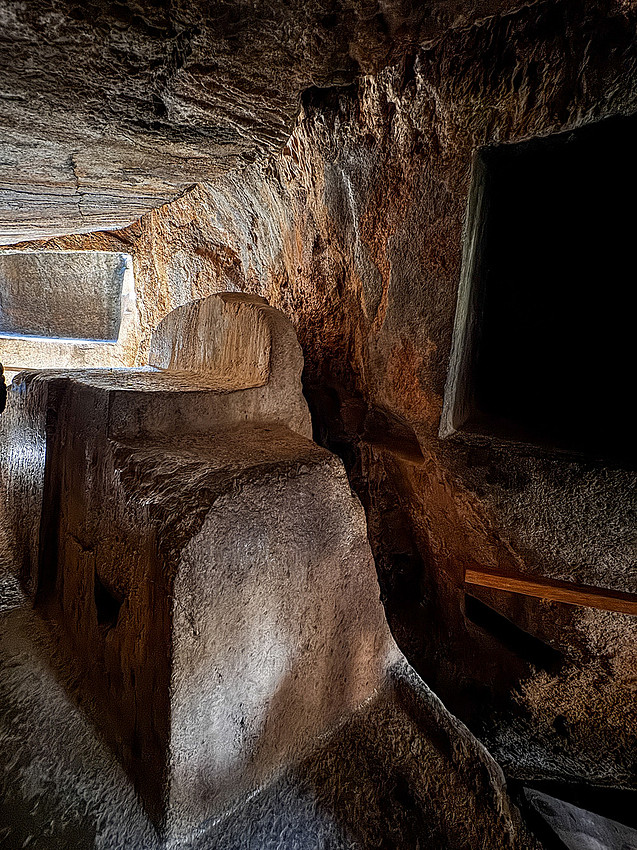
This  was the site of a battle in 1536 between the Spaniards and the Inca that was one of the turning points of the conquest.

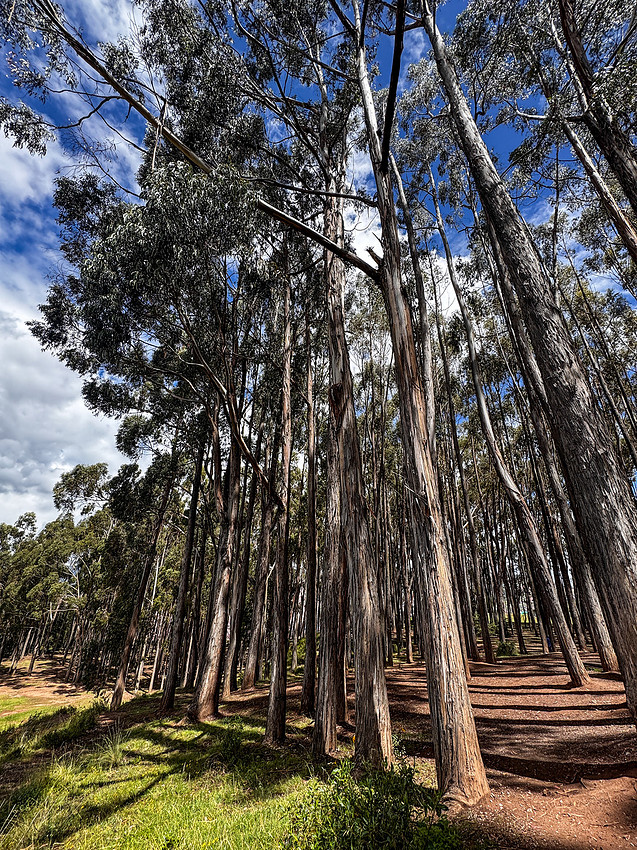
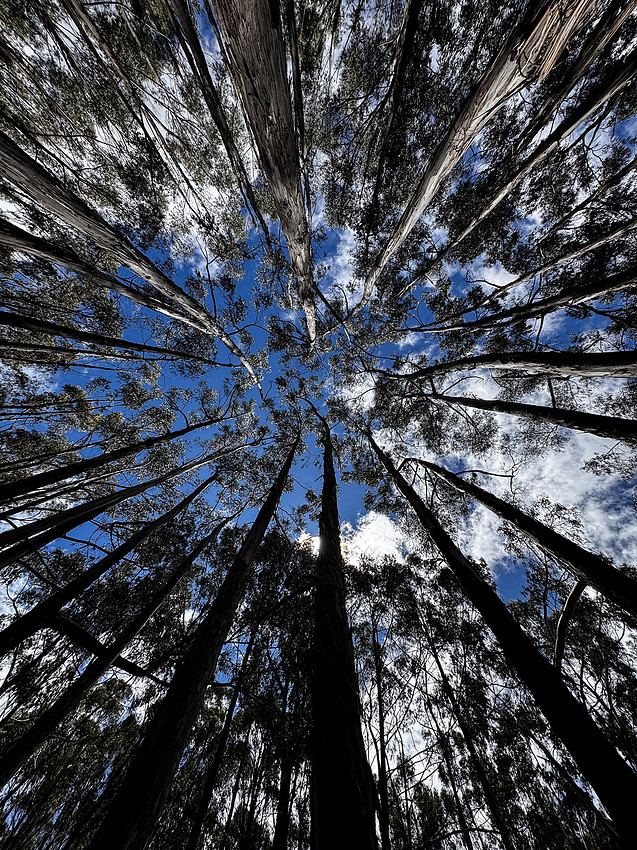
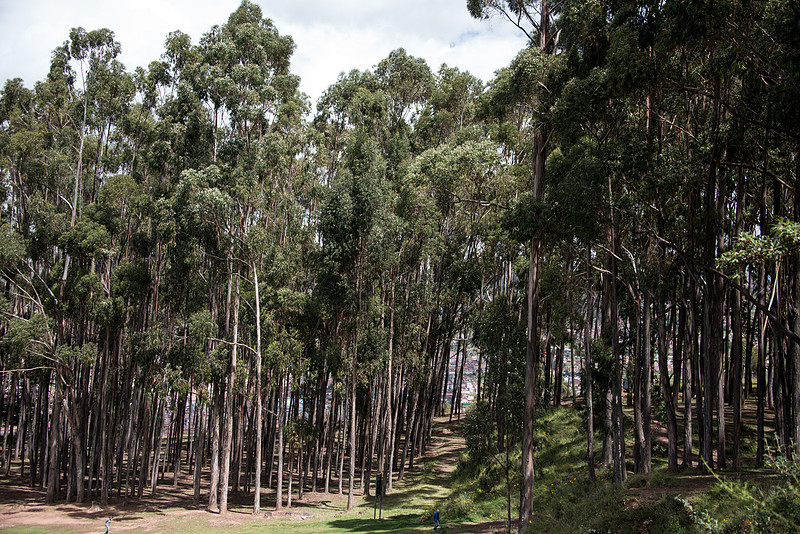
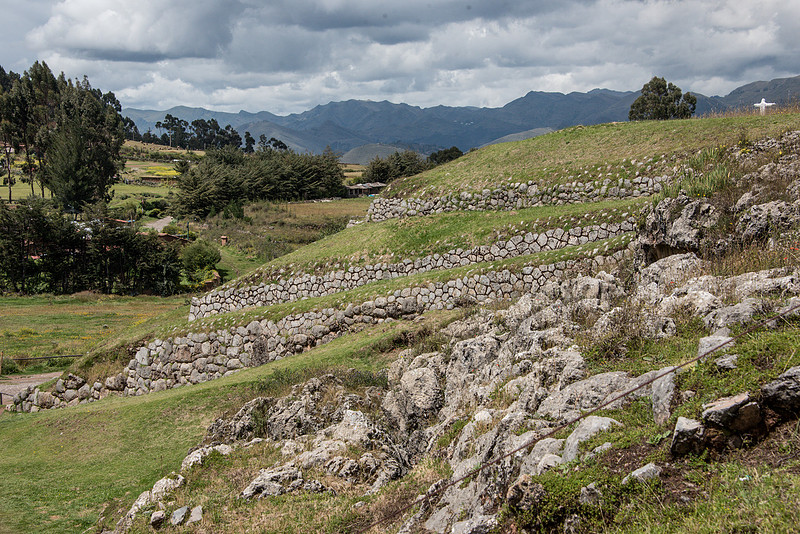
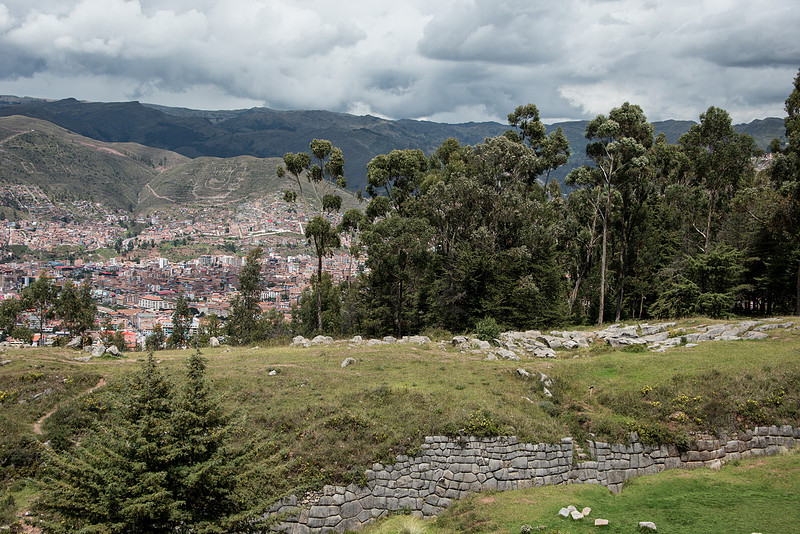
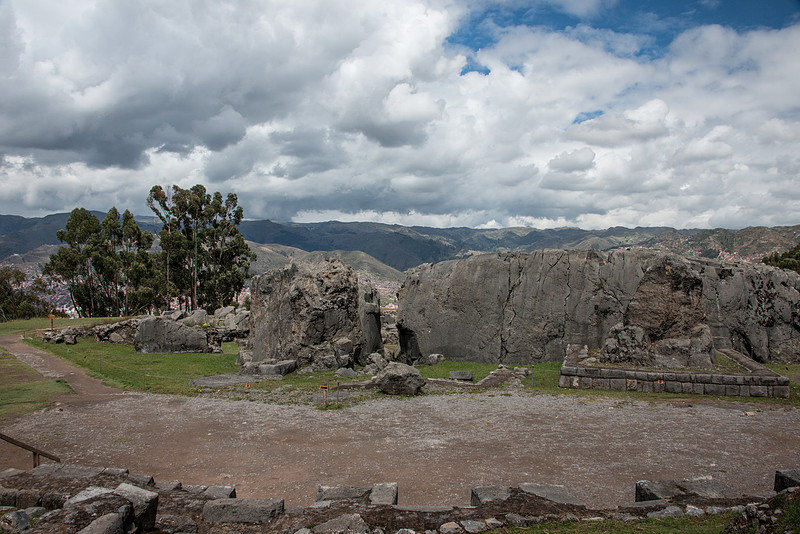
Eucalyptus Groves line the site which was built in the 14th century. 

The word Sacsayhuamán comes from the Quechua words Sacsay, meaning “Satisfied,” and huamán, meaning “Falcon,” which in Spanish interpretation would be “The satisfied falcon.”

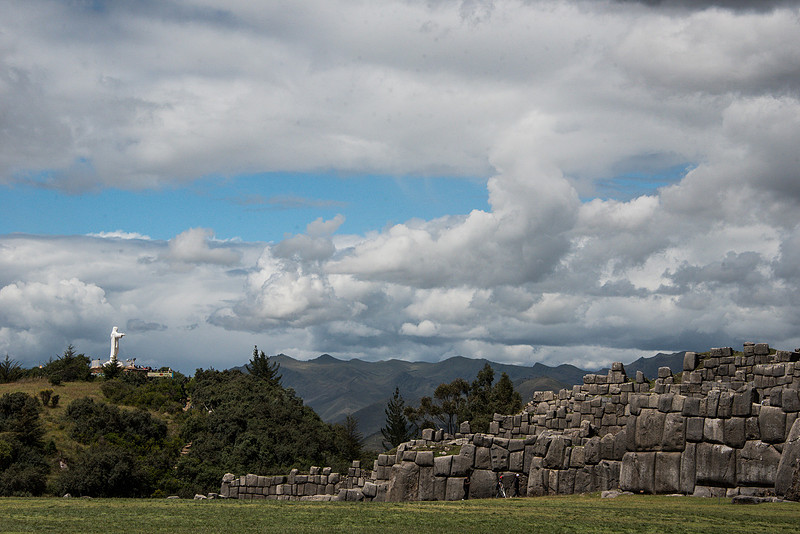
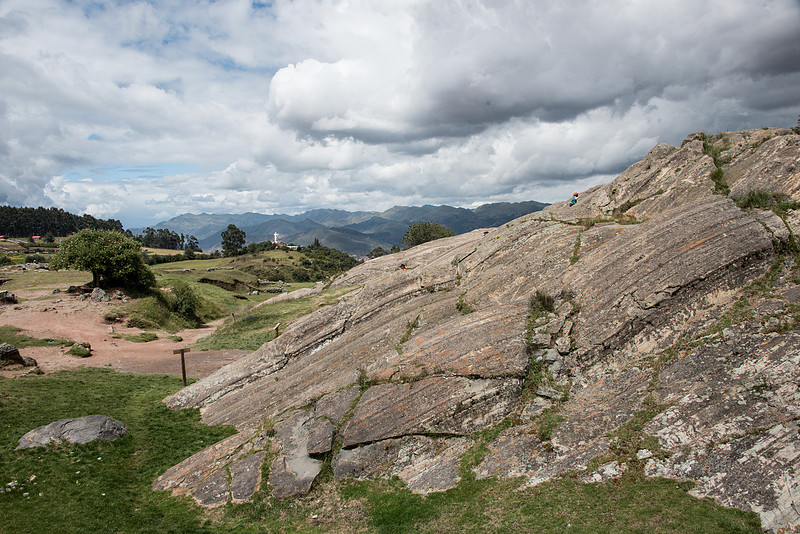
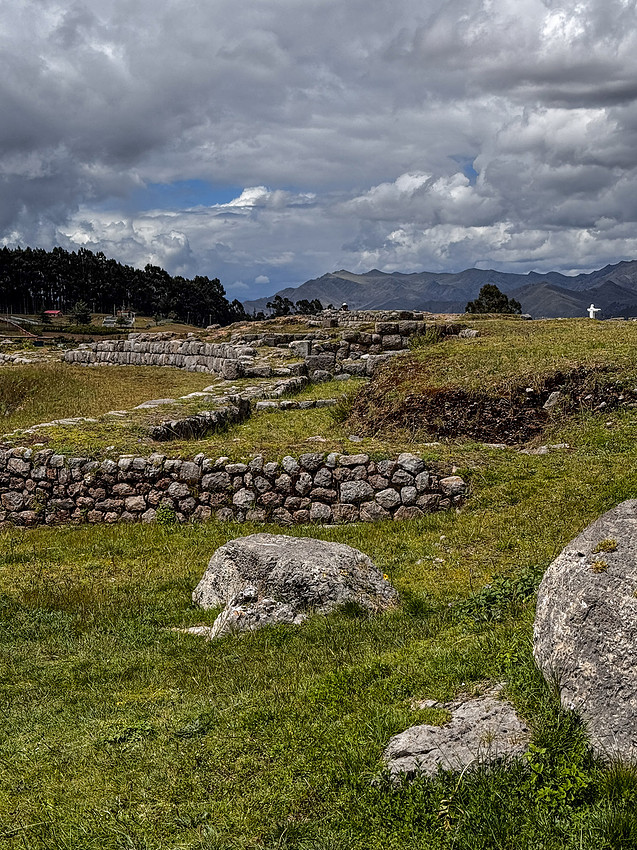
Cristo Blanco (white Christ) the protector of Cusco, resembles Rio de Janeiro's Christ the Redeemer.

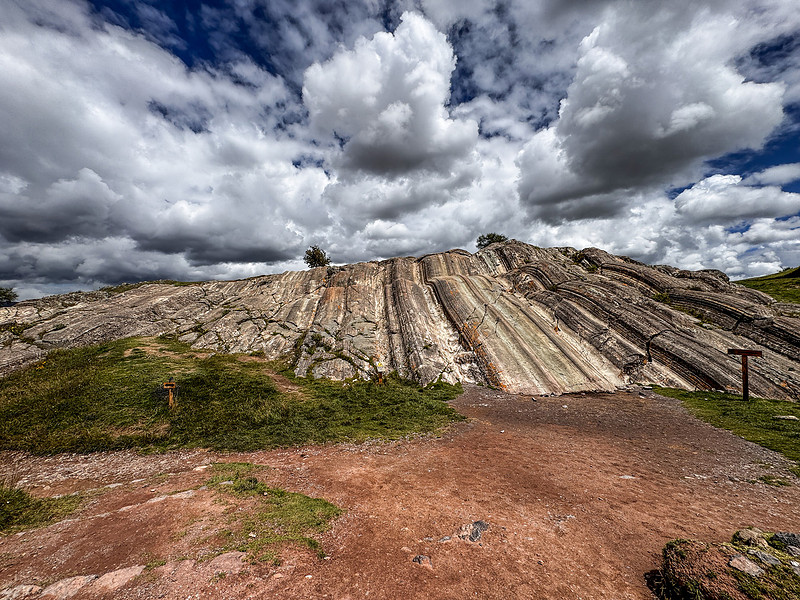
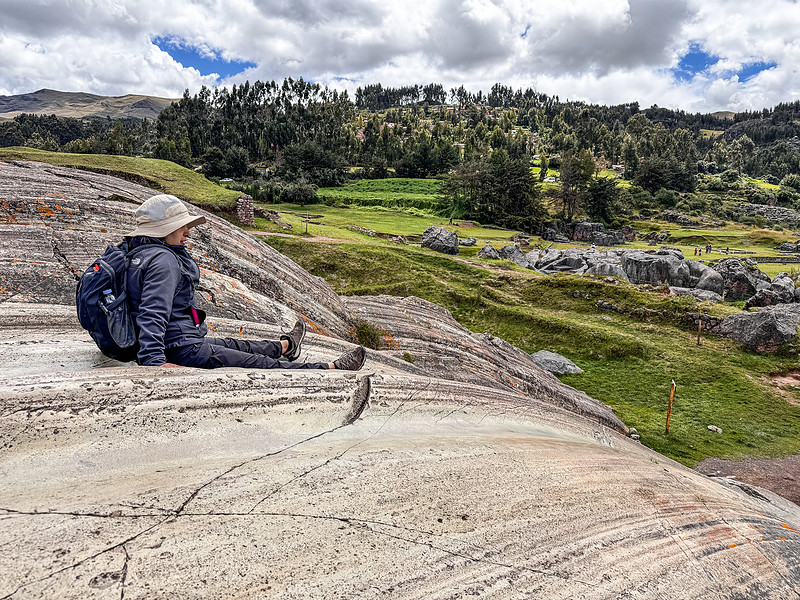
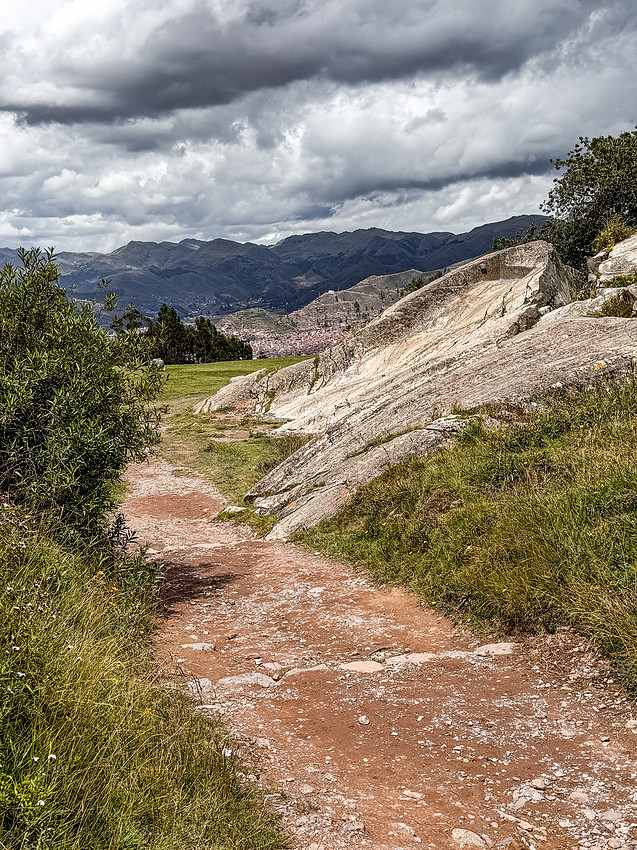
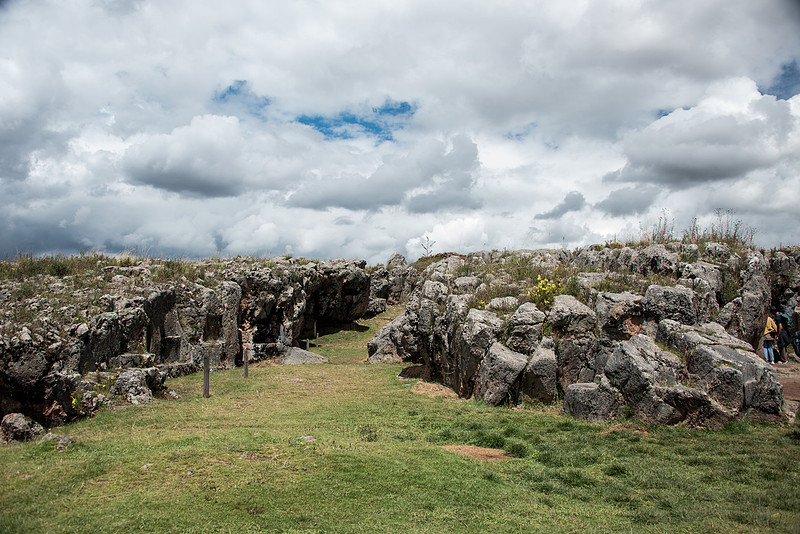
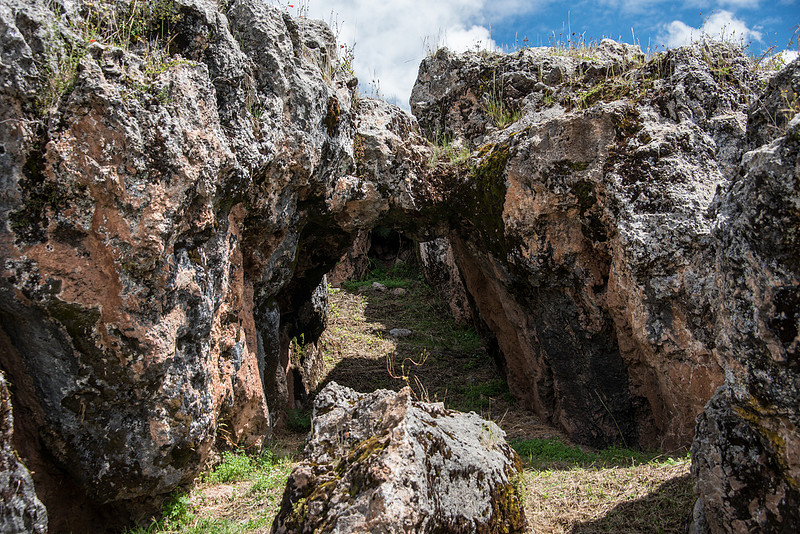
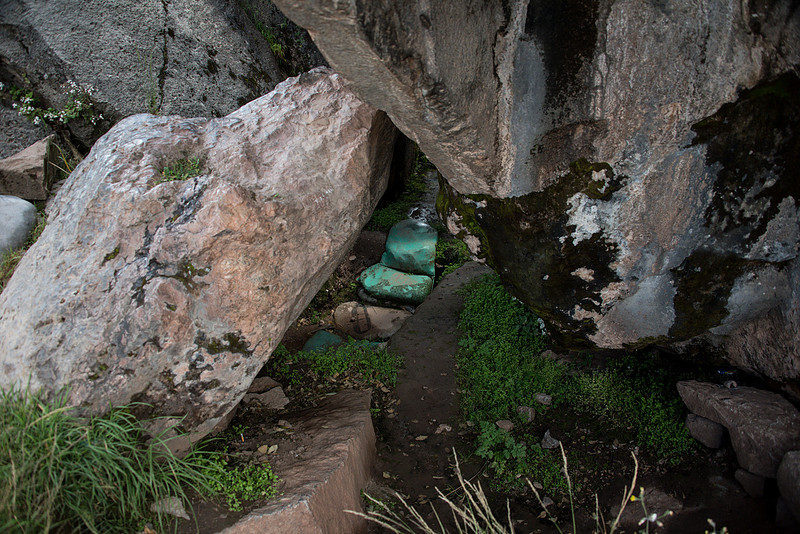
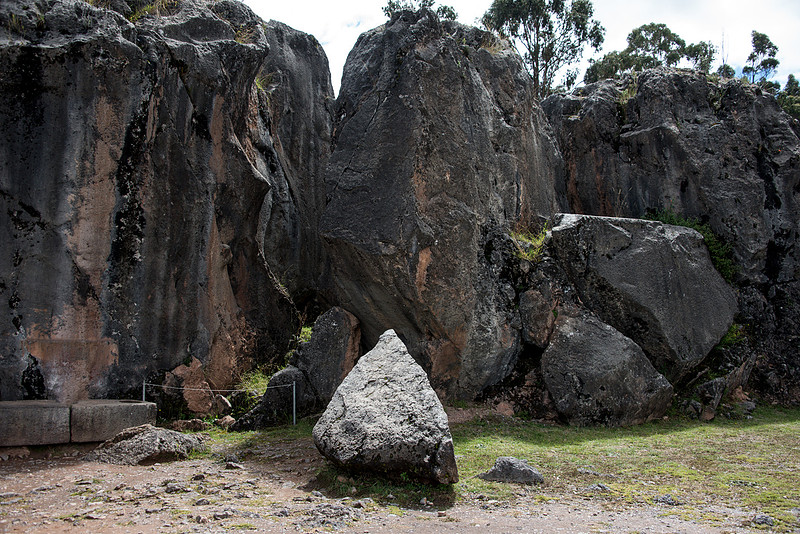
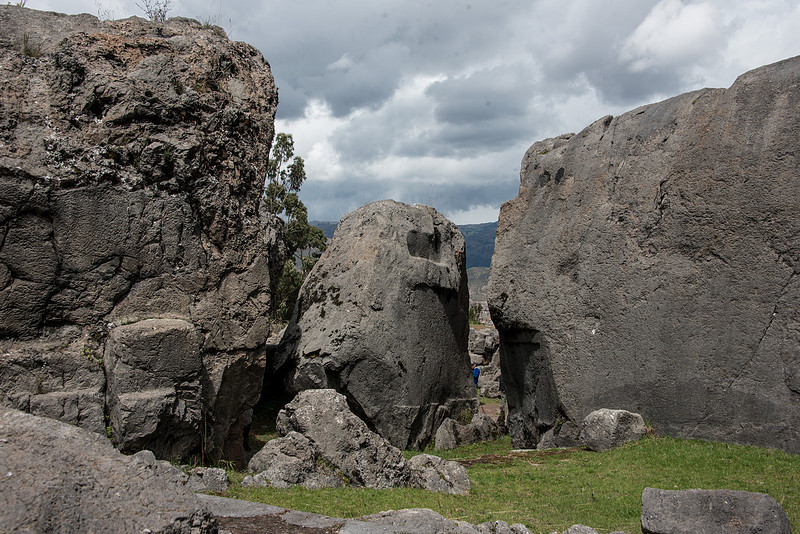
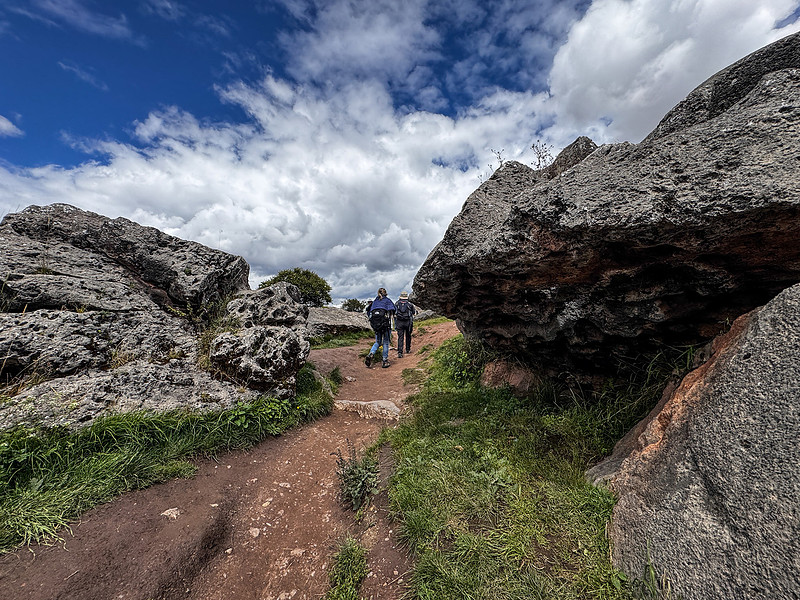
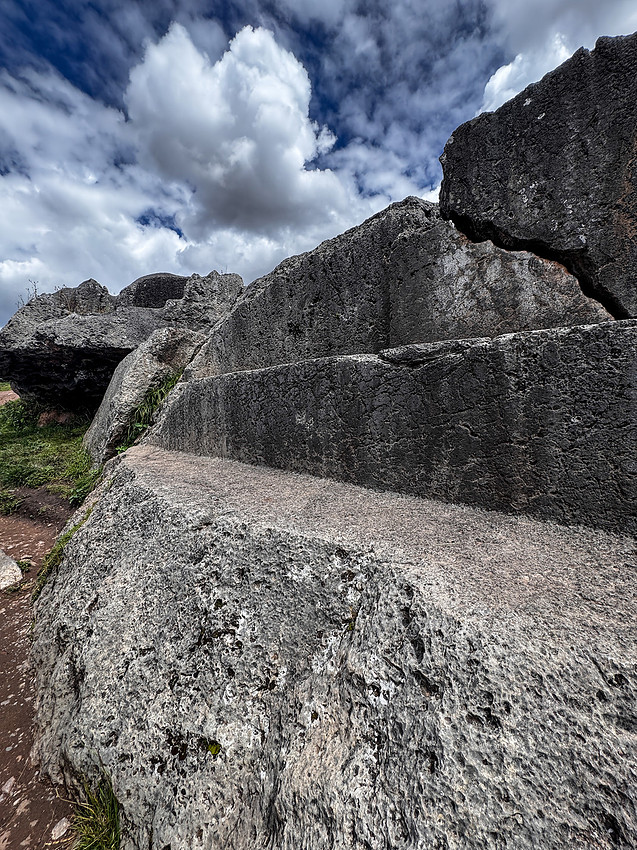
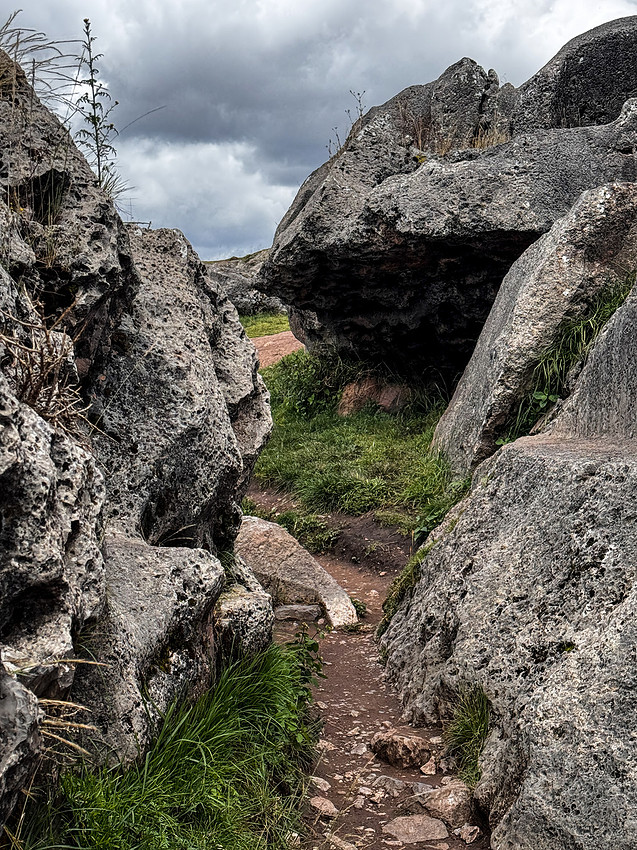
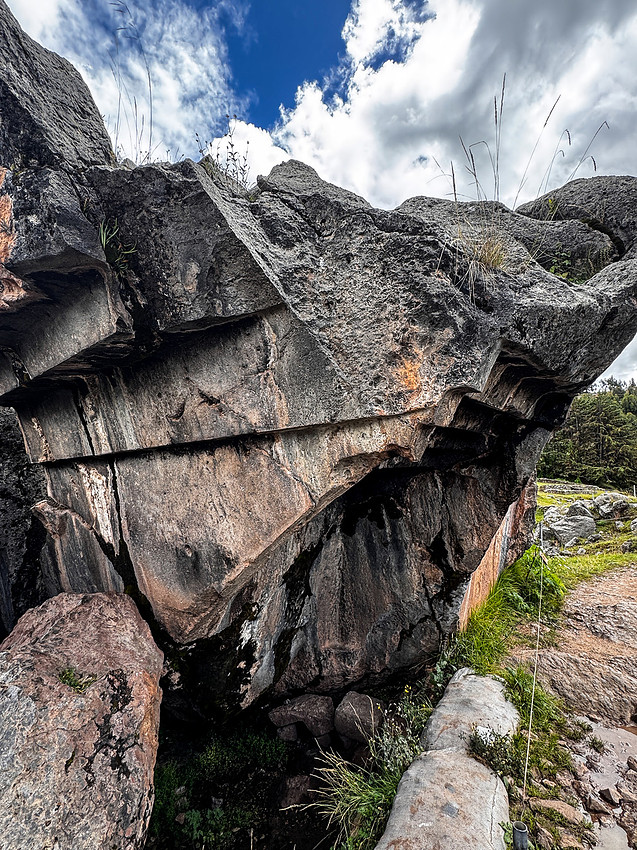
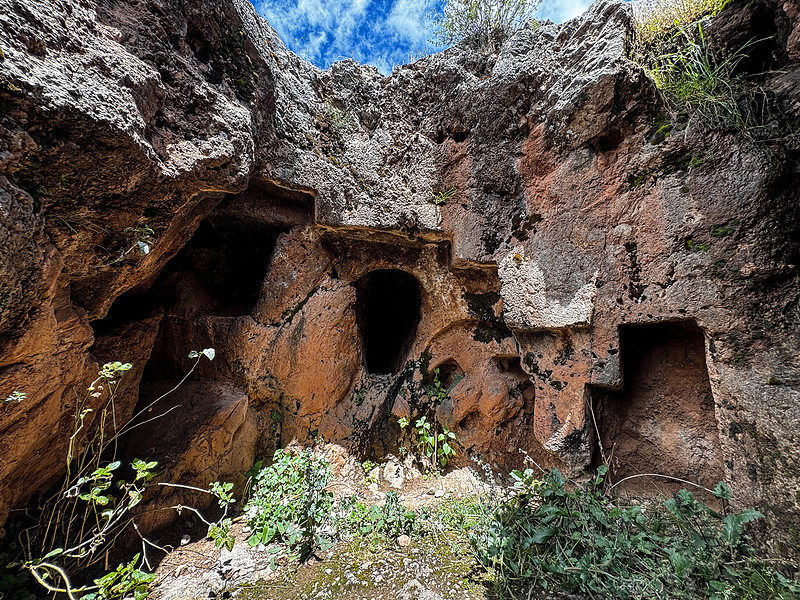
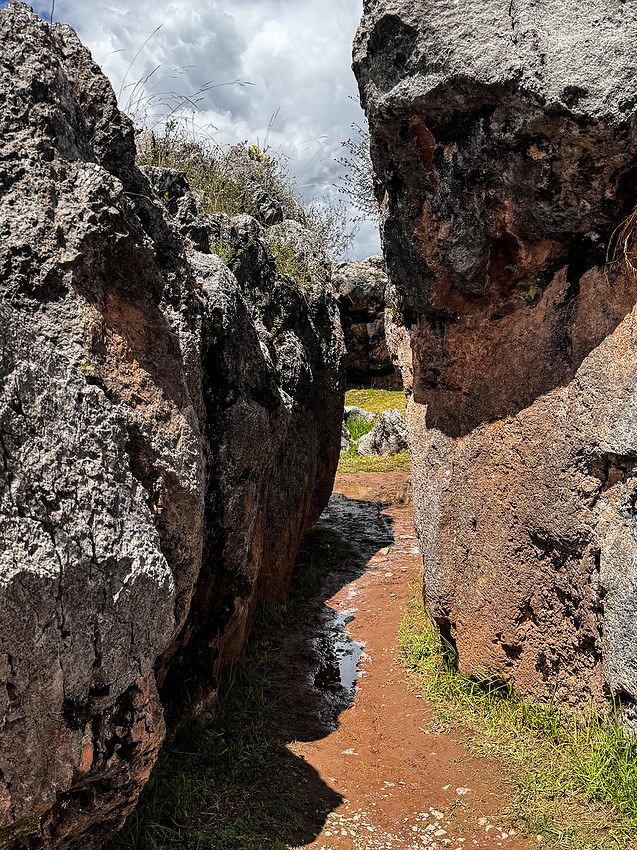
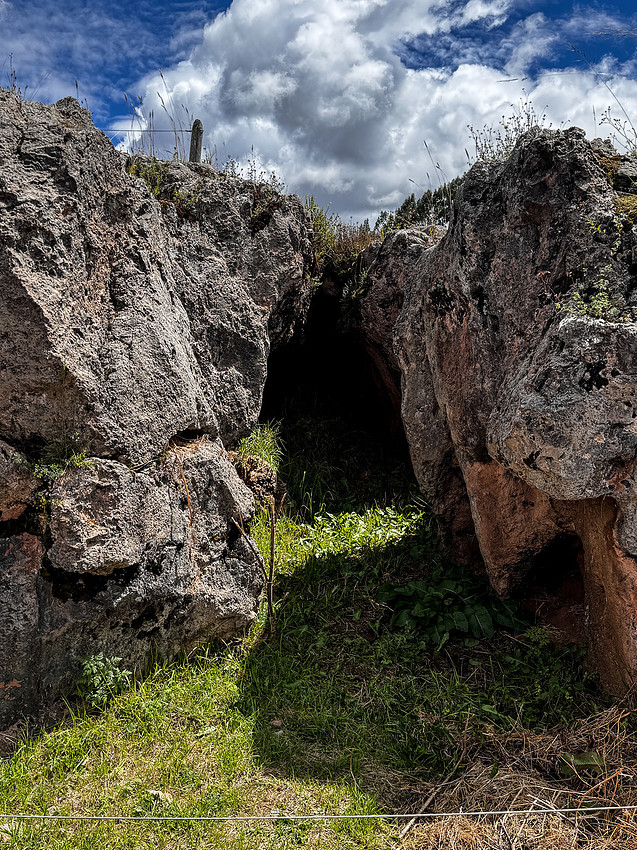
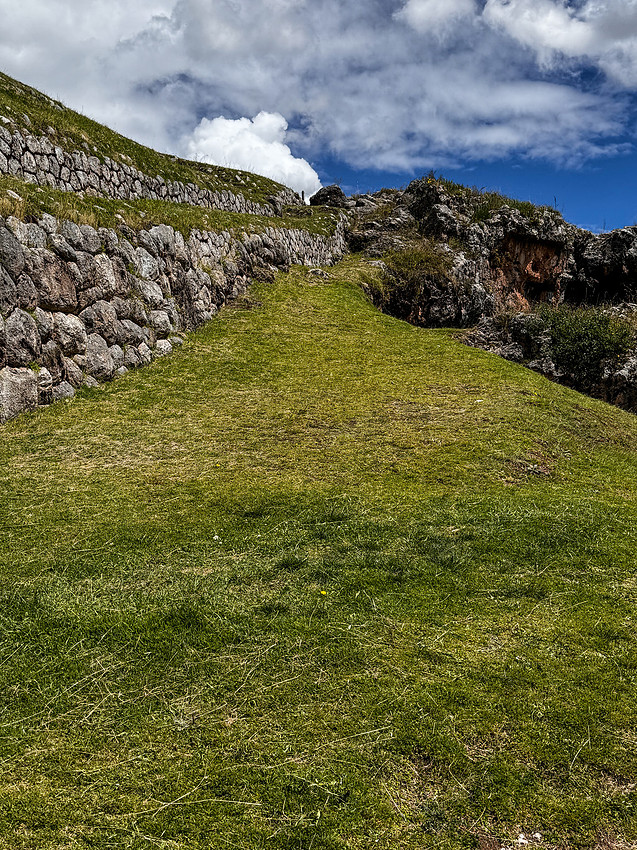
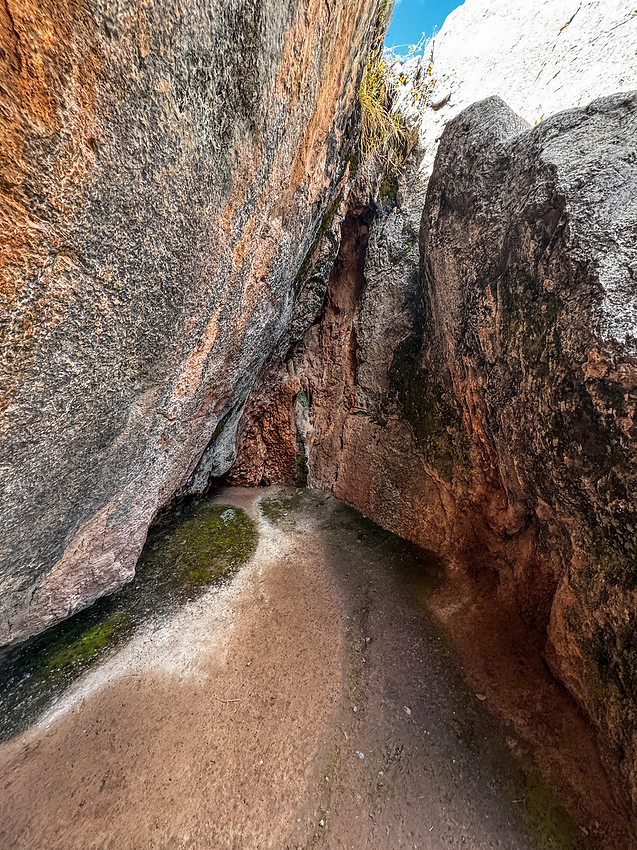
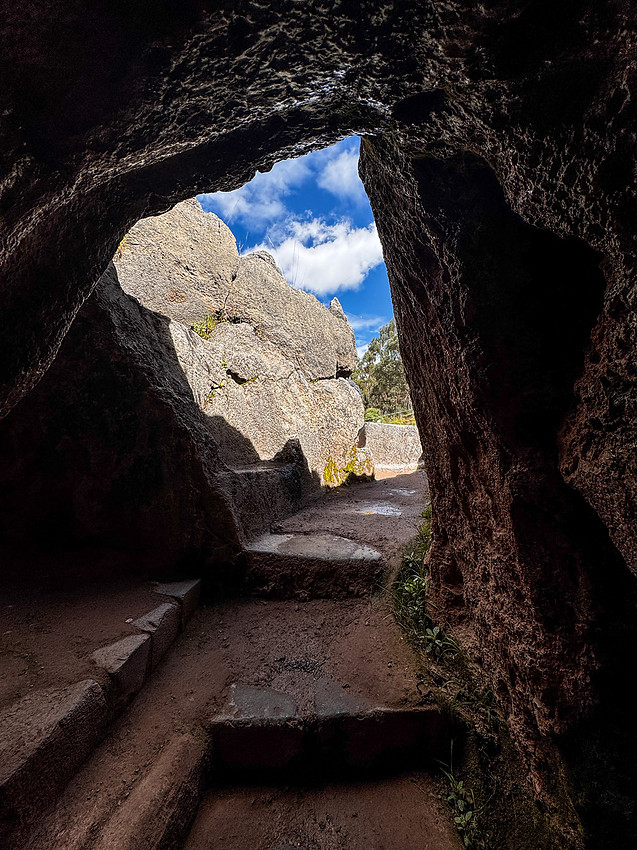
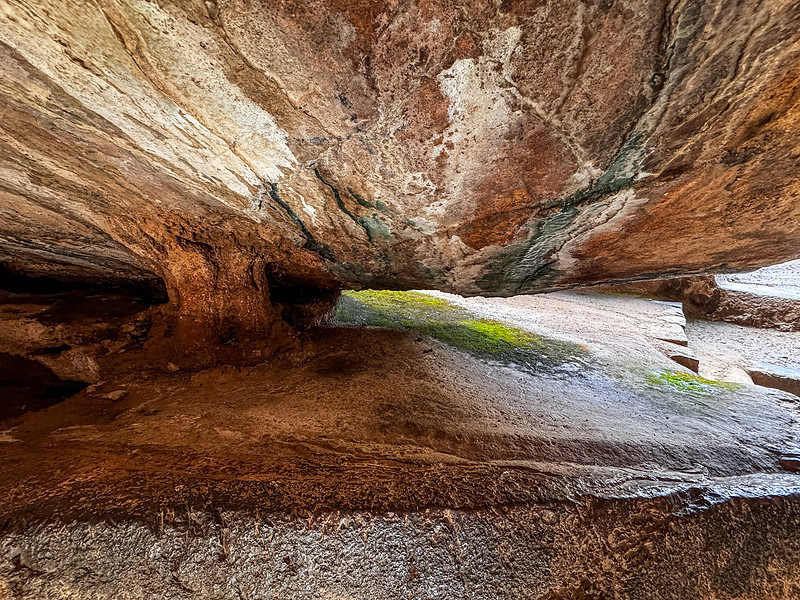
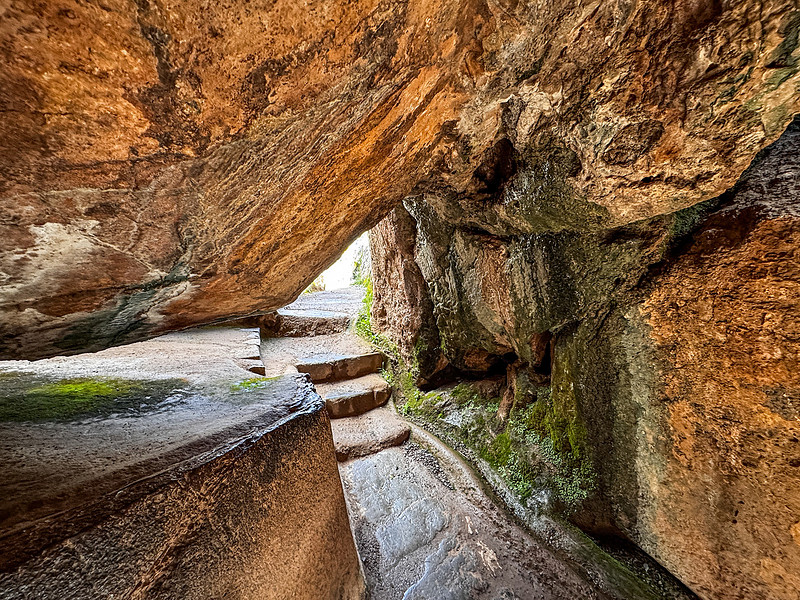
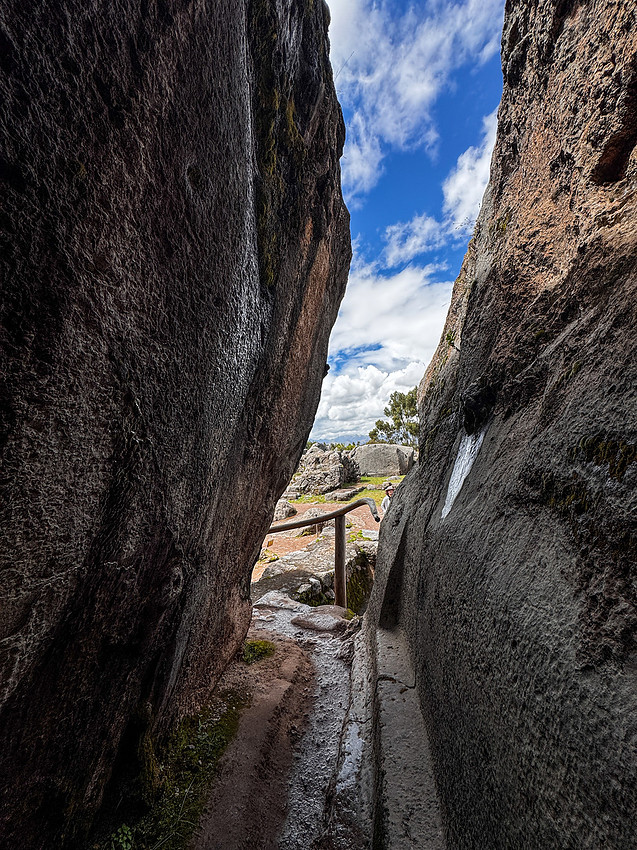
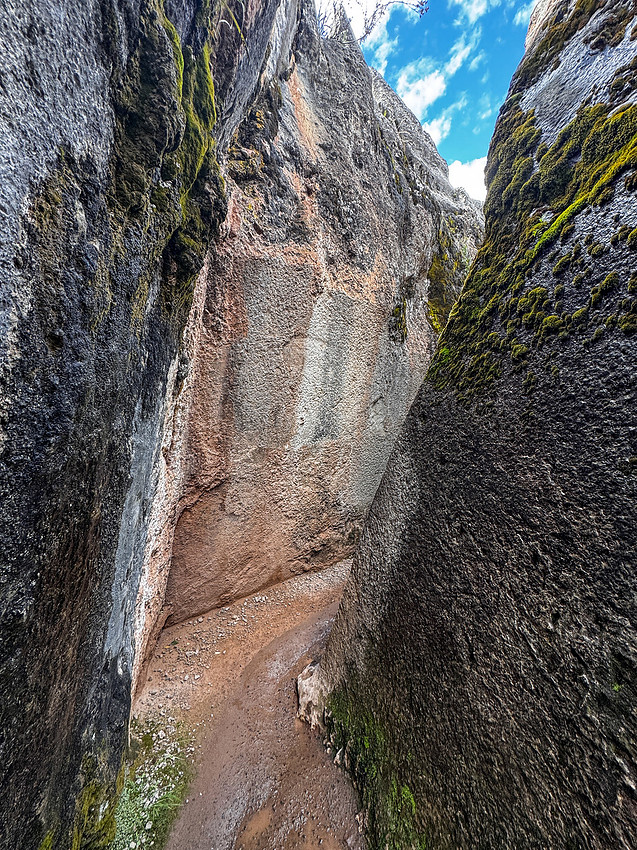
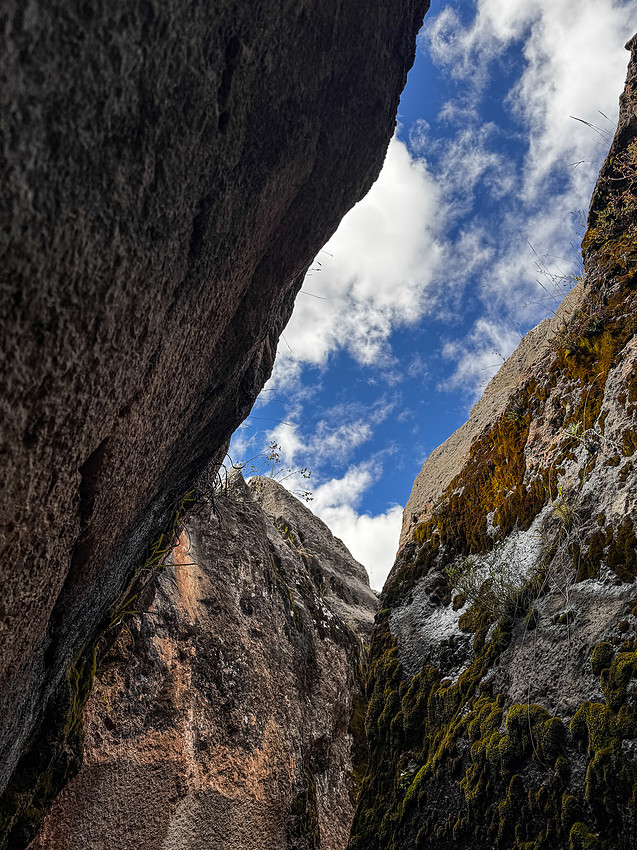
Rodadero or Suchuna are a natural formation of diorite, of volcanic origin, that emerged with rounded surfaces and grooves like slides. of course we had to test these out.

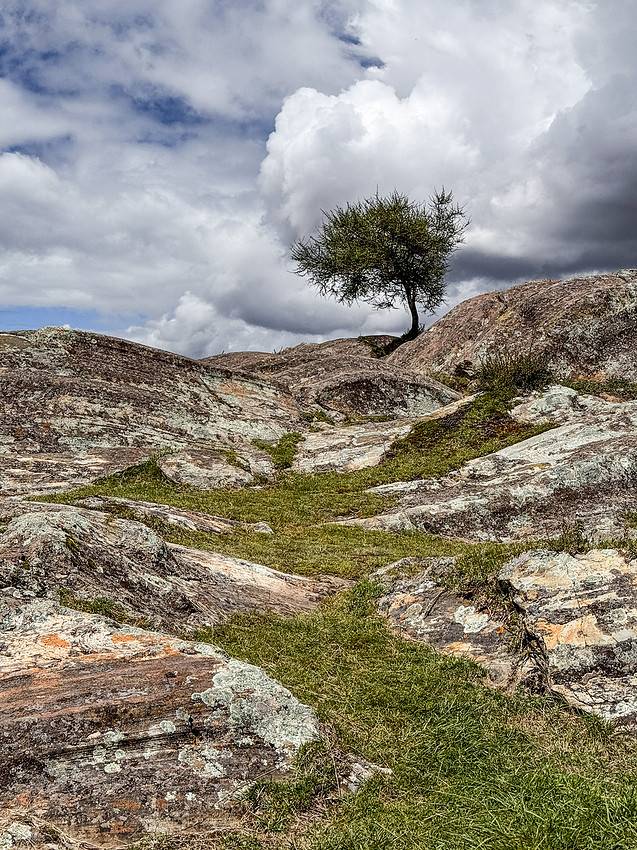
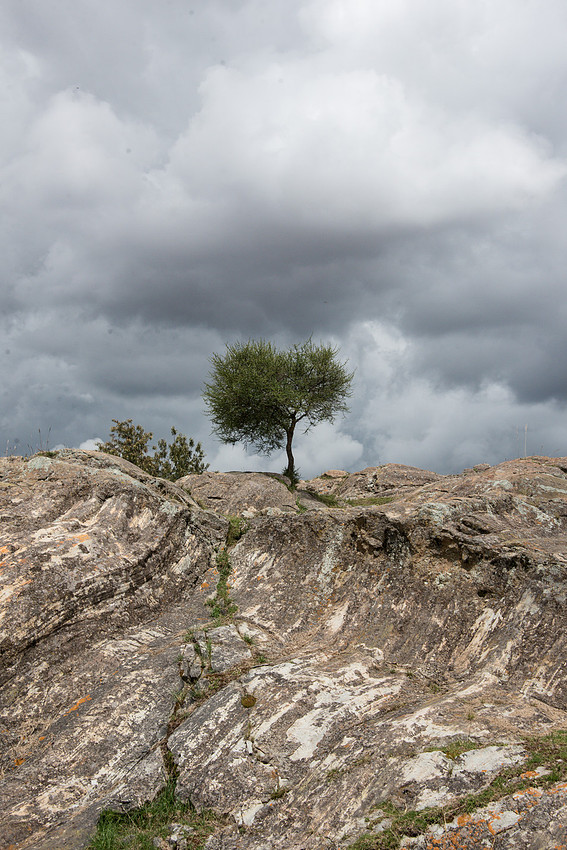
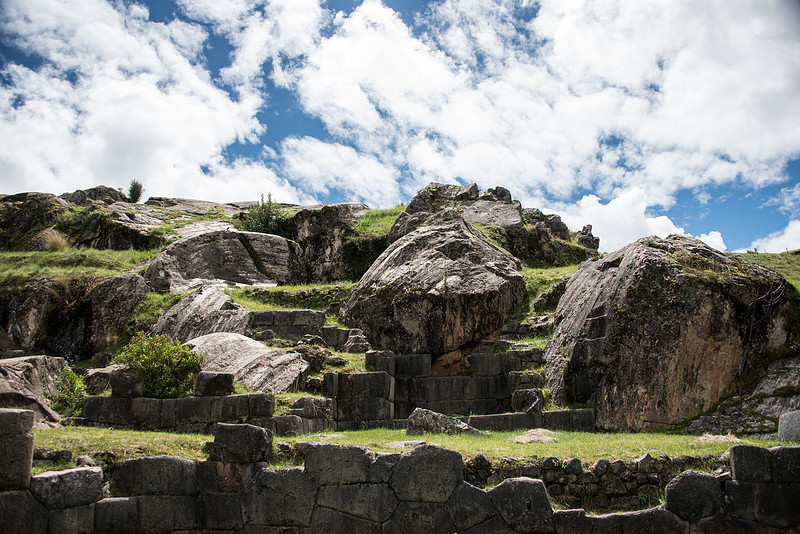
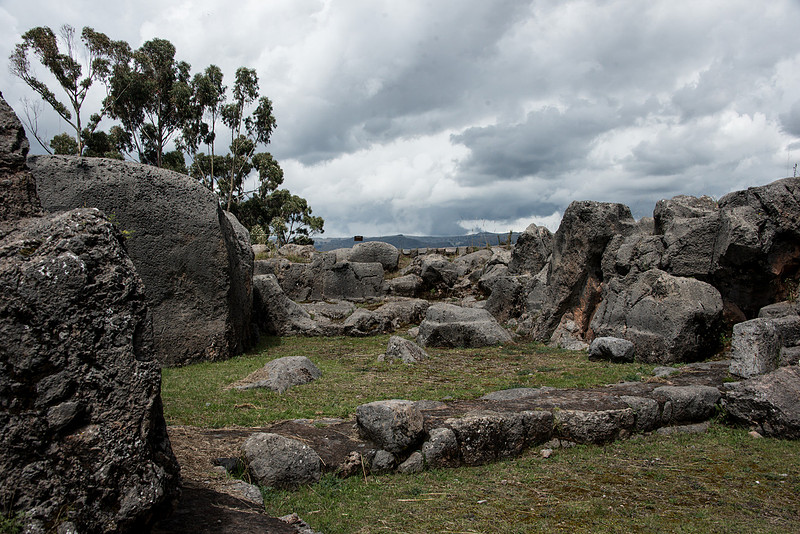
A solitary tree growing out of ancient stone. The rock beneath it isn’t just geological—it’s architectural. These undulating stone forms are remnants of one of the Inca Empire’s most sophisticated constructions

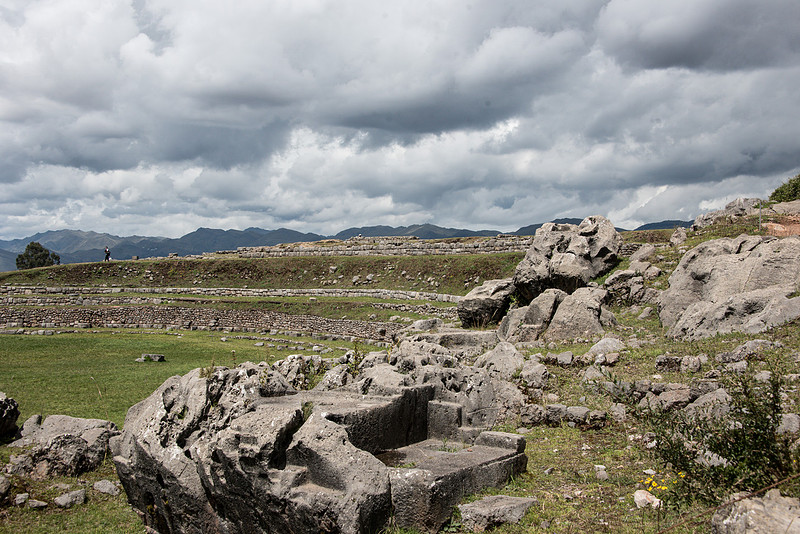
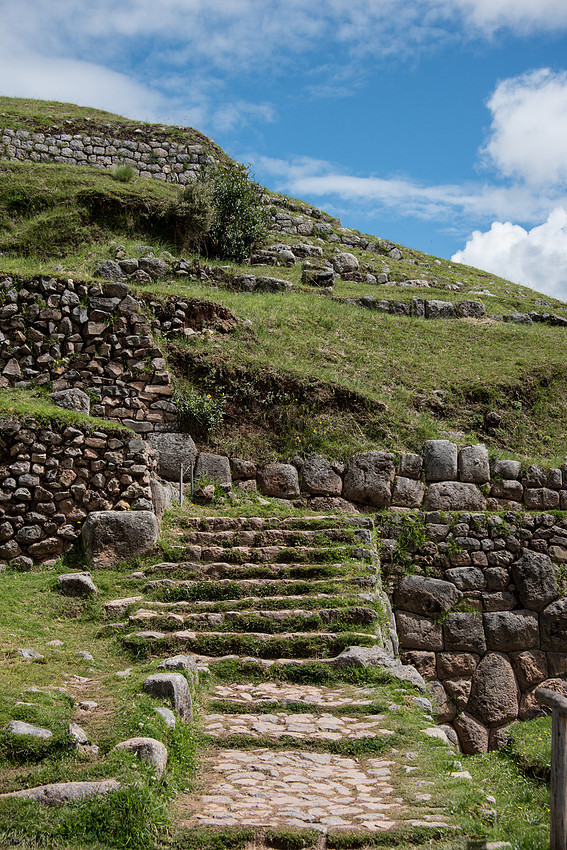
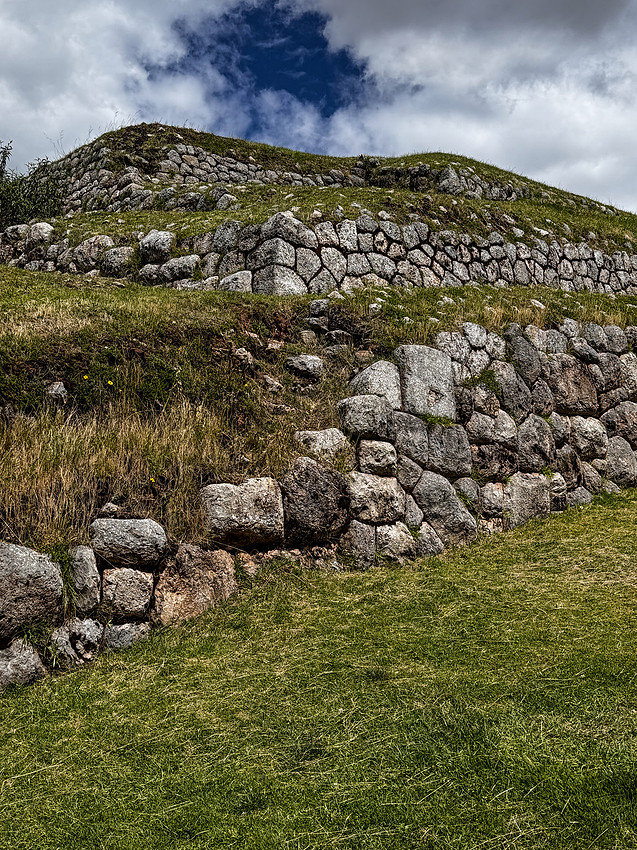
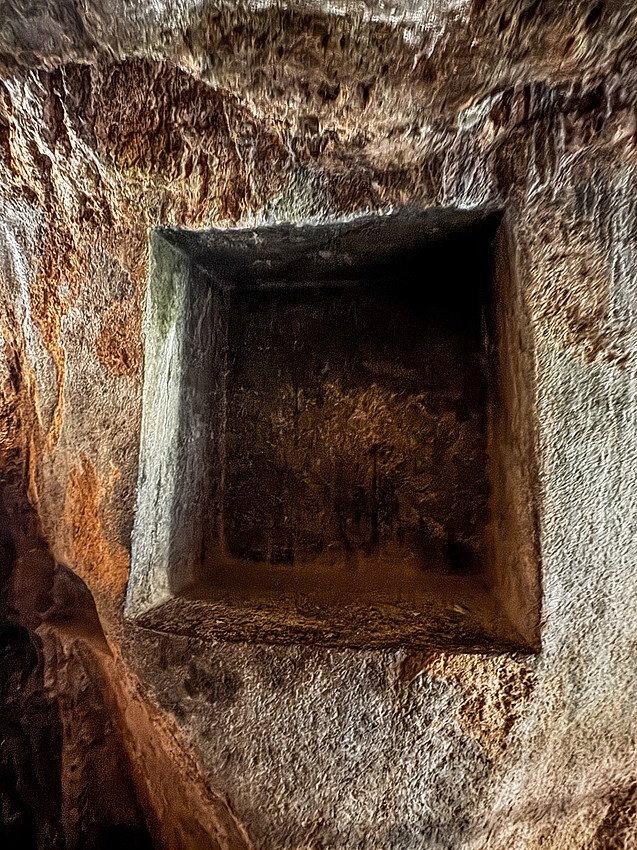
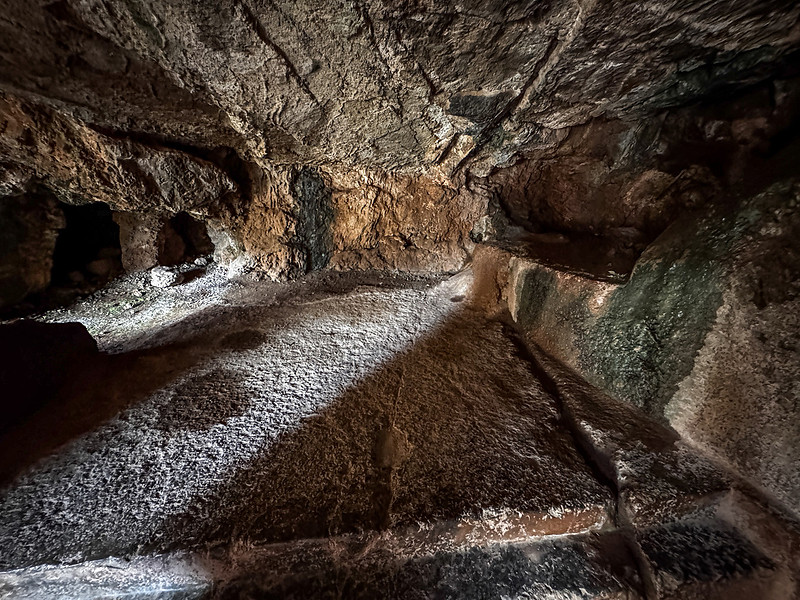
Built with 300 ton stones without the use of mortar and has withstood countless earthquakes. The entire site is massive. It is hard to believe only 20% of this temple remains.

Sacsayhuamán was both fortress and sacred space, believed to represent the head of a puma—Cusco’s symbolic shape in Inca cosmology.


Comments

No comments posted.
Loading...
Subscribe
RSS
Archive
January February March (2) April May June July August September October November December
January February March April May June July August September October November December
January February March (1) April May June July August (2) September October November December (1)
January (1) February March April May (2) June July (2) August September (9) October November (4) December (1)
January February March April May June July August (2) September (1) October (1) November December (1)
January (1) February (5) March April (1) May June (7) July (7) August September October November December